Atlas Field Guide
Hiking With Your Dog
Quick answer: Plan a dog-friendly route, verify current leash and access rules, carry water for both hikers, watch heat and paw conditions, pack waste and first-aid supplies, and let the dog's condition determine the pace and turnaround.
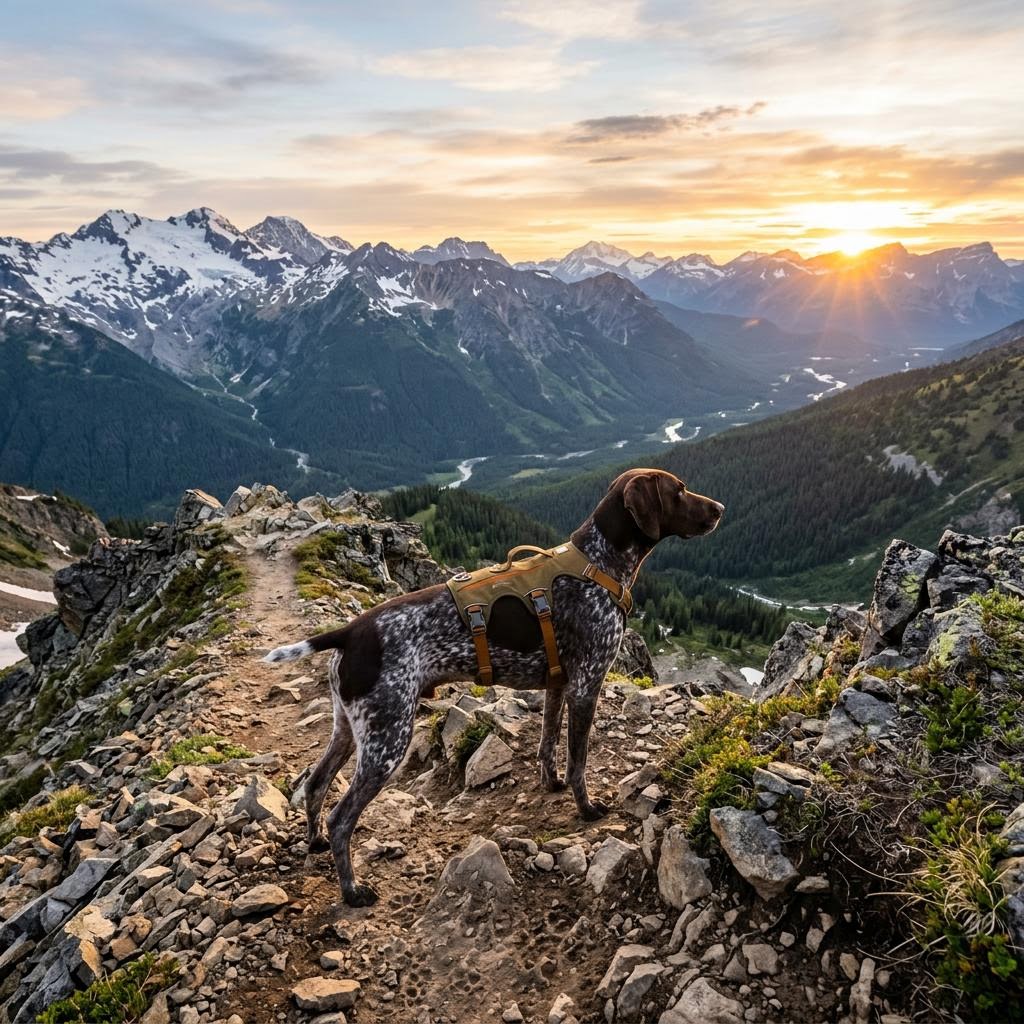
Plan for the dog, route, and region
There is no single safe temperature, water quantity, or distance for every dog. Age, health, breed, coat, humidity, sun, footing, elevation, and available shade all matter. Start conservatively and turn around when comfort, gait, breathing, or behaviour changes.
Canada and the northern United States
Check current tick, mosquito, weather, snow, ice, and road-salt conditions. Mountain and shoulder-season weather can change quickly.
Southern and arid United States
Choose cooler hours, carry extra water, and account for exposed rock, hot ground, desert plants, and local wildlife advisories.
Essential trail systems
- A well-fitted harness or veterinarian-approved walking setup and a controlled leash
- Water, a collapsible bowl, food or treats, and a route reserve
- Waste bags and a secure way to pack filled bags out
- Dog-specific first-aid supplies and emergency veterinary contact details
- Seasonal paw, visibility, insulation, or cooling protection when conditions require it
Check Parks Canada visitor rules, the U.S. National Park Service pets guidance, and the individual destination page before departure.
Shop and prepare
Browse verified Wildpack dog gear and compare Trail & Field gear. For route-based planning, read the K9 adventure packing list and summer dog hiking heat guide.
Frequently Asked Questions
How old should a puppy be before hiking?
Puppies mature at different rates. Ask your veterinarian when sustained mileage, steep terrain, and repetitive impact are appropriate for your dog's breed, size, and development. Until then, keep outings short and low-impact.
Can a dog drink from streams and lakes?
Do not assume natural water is safe. Lakes, ponds, and streams can contain harmful algae, parasites, or bacteria. Carry drinking water and avoid water with posted warnings, unusual colour, surface scum, or suspicious odour.
How can I tell if a trail is too difficult for my dog?
Start with short, easy routes and increase difficulty gradually. Turn around if your dog repeatedly lags, seeks shade, lies down, changes gait, shows paw tenderness, or develops distressed panting.
Should I use a retractable leash on a hiking trail?
A fixed-length leash usually provides more predictable control around wildlife, other dogs, narrow trails, and busy trailheads. Use equipment that complies with the destination's rules and suits your dog's size and behaviour.